Animal Welfare, Made Visible
Animal Welfare AppZooMood helps zoos digitally track the emotional wellbeing of animals through structured daily observations by their keepers.
Discover MoreAn initiative of


Background
Why Animal Mood Monitoring?
Animal welfare is a core priority for modern zoos, but measuring it is complex and subjective. ZooMood digitalizes keeper observations and turns them into trackable mood scores making trends visible over time and enabling faster intervention when wellbeing drops.
How It Works
From observation to insight
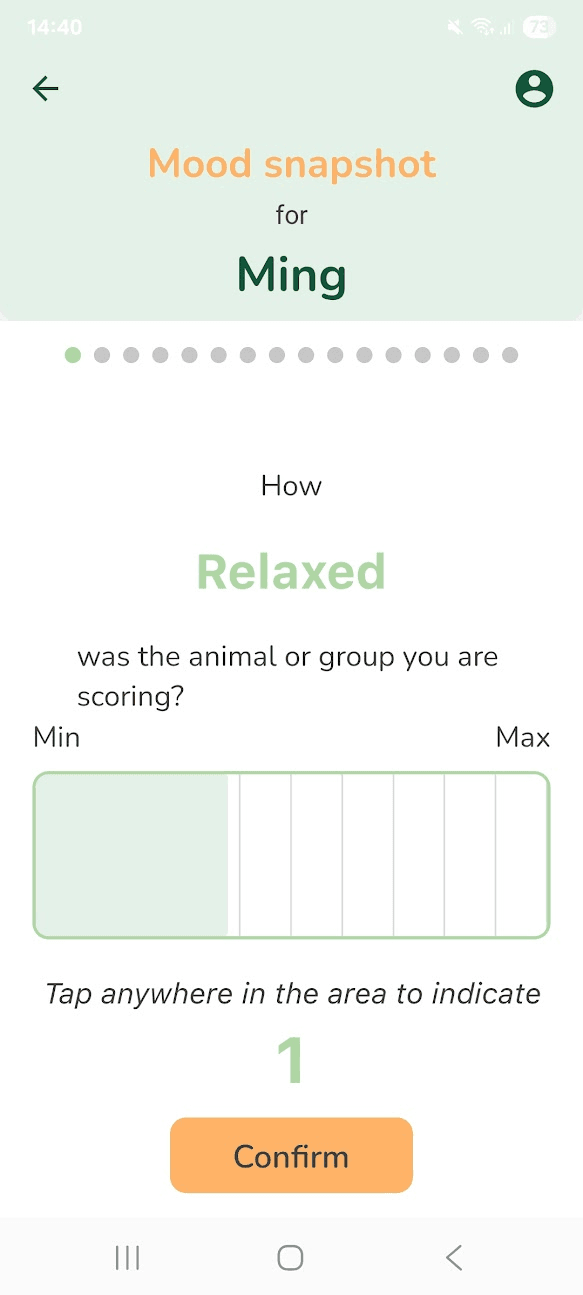
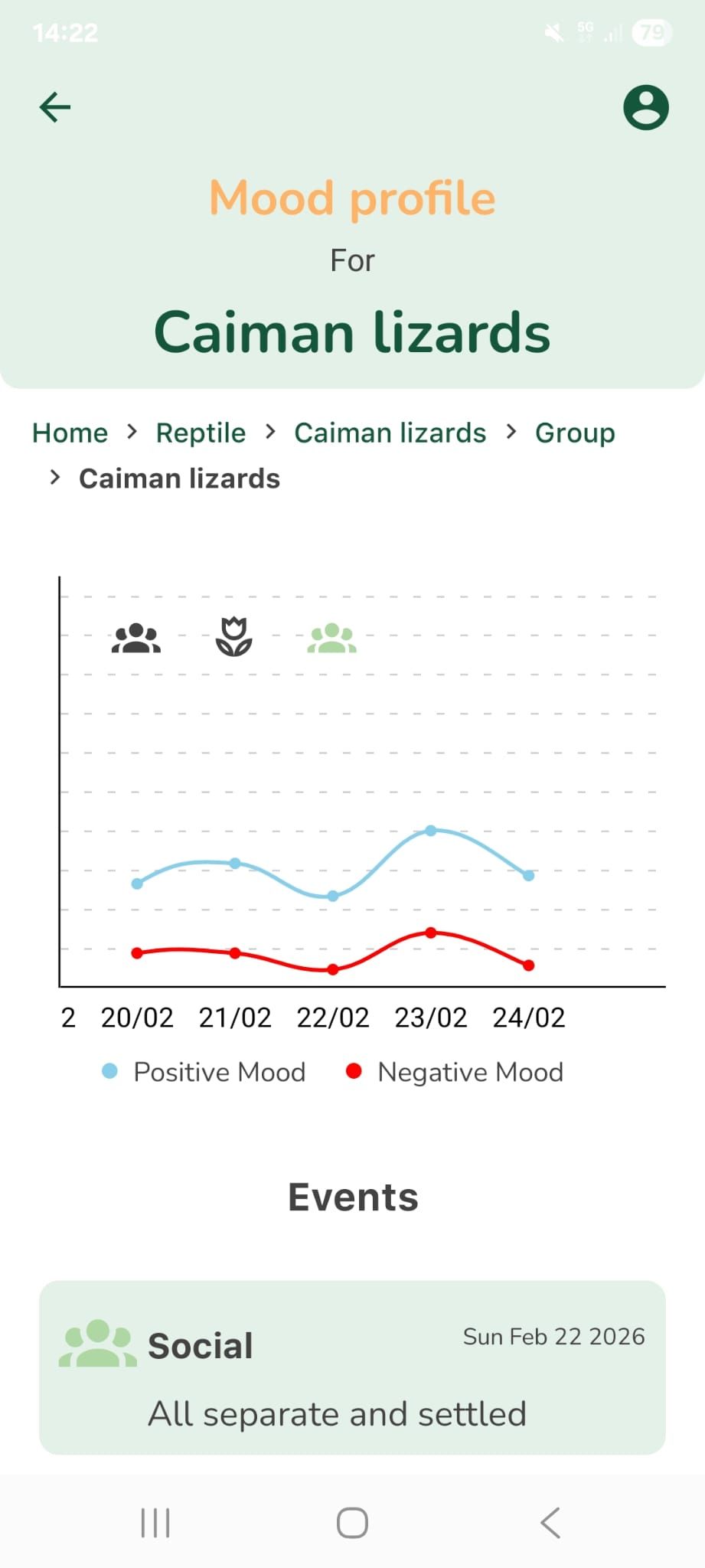
Keepers log their daily observations in the app. ZooMood automatically processes that data into clear mood reports and trend charts.
Input
What keepers observe
Behavioral Observations
Keepers log daily behavior, activity level, and alertness for each animal.
Appetite & Feeding
Keepers can log feeding-related events, such as food refusal, unusual intake, or noticeable changes in eating behavior.
Social Interaction
Significant social events — such as conflicts, isolation, or unusual bonding behavior — can be recorded as part of daily observations.
Health
Veterinary interactions, medication, and medical procedures can be logged as events to track their impact on the animals mood over time.
Output
What ZooMood generates
Mood Trend Charts
Automatic graphs showing mood evolution per animal over weeks and months.
Per-Animal Reports
Exportable summaries for veterinary consultations or accreditation audits.
Early Warnings
Detect mood dips early and intervene before health problems develop.
Admin Dashboard
Web dashboard with an overview per species, taxonomy, and organization.
Why ZooMood?
Benefits
Easy to Use
An intuitive interface for daily observations, available on any device — phone, tablet, or desktop.
Data-Driven Insights
Visualize mood trends per animal, species, or department across days, weeks, and months.
Animal Welfare First
Built on scientific research into subjective wellbeing in animals, validated with zoo professionals.
Works Everywhere
Native mobile app for keepers and a web dashboard for managers, always in sync.
Who are we?
The Team
ZooMood was born out of a collaboration between Samantha, Jeroen, and Rutger. After Samantha and Jeroen conceived the idea of bringing QBA into a zookeeper app, Rutger was invited to Nottingham to lead a design sprint — turning that vision into a first working prototype.
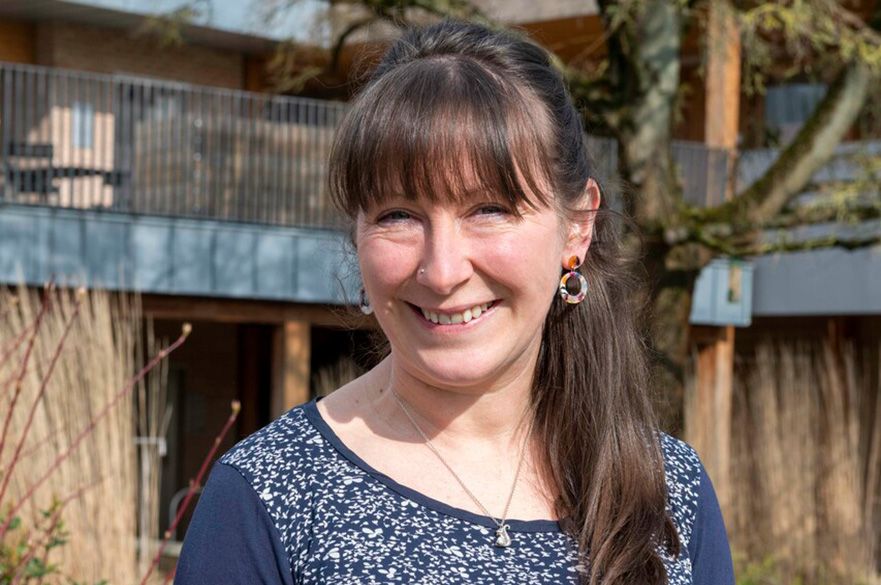
Prof. Samantha Ward
Professor of Zoo Animal Welfare & Legislation @NTU. Research
Prof. Samantha Ward is a Professor of Zoo Animal Welfare & Legislation at Nottingham Trent University, specialising in the impacts of human-animal interactions and animal husbandry techniques on zoo animal welfare. She serves as a Welfare Specialist on Defra's Zoo Experts Committee and as a Research Advisor for Wild Welfare. Alongside her research, she offers consultancy expertise spanning zoo animal welfare, exhibit design, behavioural assessment, education provision, and UK & international zoo legislation.
LinkedIn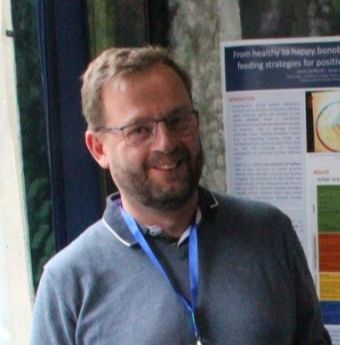
Jeroen Stevens, PhD
Behavioural biologist and lecturer
Jeroen Stevens is a behavioural biologist and lecturer at Odisee University of Applied Sciences, specialising in primate social behaviour with a particular foc…Jeroen Stevens is a behavioural biologist and lecturer at Odisee University of Applied Sciences, specialising in primate social behaviour with a particular focus on bonobos. His research spans both fundamental questions around dominance and grooming exchange and applied zoo welfare topics, including the effects of captive environments on animals.
LinkedIn
Rutger De Wilde
UI/UX Researcher and Lecturer
Rutger De Wilde is a researcher and lecturer at Odisee University of Applied Sciences, where he works within the User Centered Experiences (UCE) research group and teaches in the EloICT program. His research focuses on UX, with a current emphasis on the intersection of AI and user experience. As a lecturer, he teaches web development and app development courses.
LinkedInCollaboration
Partners & References
ZooMood is an academic research project developed through a collaboration between Nottingham Trent University and Odisee University of Applied Sciences. The app is currently being piloted in a number of zoos, some of which are listed below.



Contact
Get in Touch
Interested in collaborating or piloting ZooMood at your zoo? We'd love to hear from you.